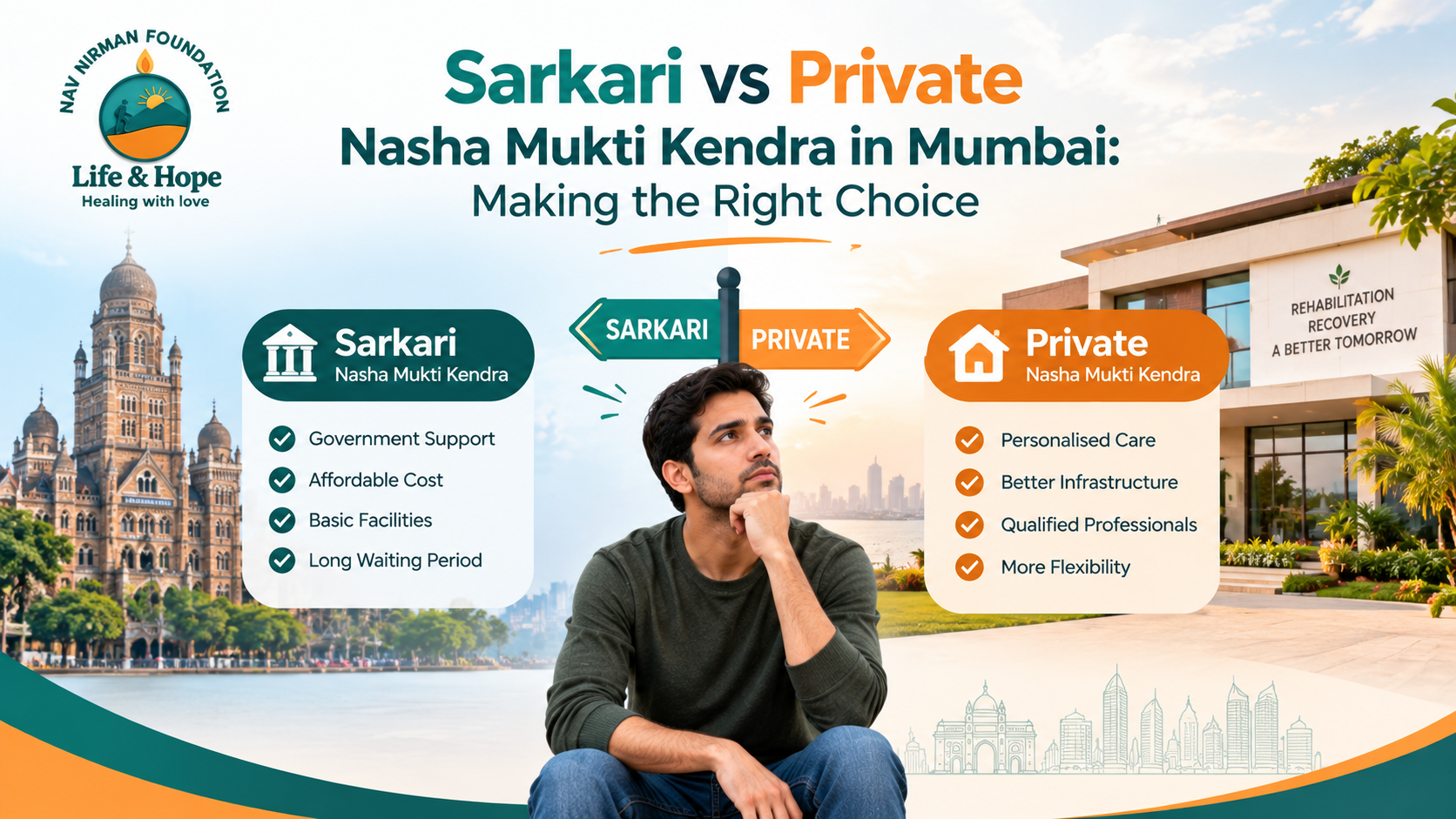
Choosing between a government-run and a privately managed treatment facility is one of the hardest decisions a family faces once they decide to seek help for a loved one. Both paths lead toward recovery, but they differ significantly in cost, comfort, waiting time, and the level of individual attention a patient receives. This guide breaks down what separates a Sarkari nasha mukti kendra Mumbai facility from a private one, so you can make an informed choice based on your family’s needs, budget, and urgency.
What Is a Nasha Mukti Kendra and Why It Matters
A Nasha Mukti Kendra in Mumbai is a de-addiction and rehabilitation center designed to help individuals overcome dependency on alcohol, drugs, or other substances. These facilities combine medical detoxification, counseling, and structured recovery programs to address both the physical and psychological aspects of addiction. Mumbai, being a dense urban hub with significant substance abuse cases, hosts a wide range of such centers, from government-funded institutions to boutique private clinics.
The type of center you choose has a direct impact on treatment outcomes. Government facilities are often the first point of contact for families with limited financial means, while private centers appeal to those seeking personalized care, shorter wait times, and additional comfort during a difficult period. Neither option is inherently superior; the right fit depends entirely on the patient’s condition and the family’s circumstances.
Sarkari Nasha Mukti Kendra in Mumbai: What to Expect
Government-run centers operate under public health schemes and are typically free or available at a nominal cost. This makes them accessible to a much larger population, including families who cannot afford private treatment. Most Sarkari facilities follow standardized protocols set by health authorities, offering basic detox, group counseling, and medication support.
However, these centers often face high patient volume relative to available staff and beds. Waiting periods can stretch for weeks, and the ratio of counselors to patients tends to be lower than in private settings. Privacy is also limited, since patients are usually housed in shared wards with minimal individual attention. For families searching for a nasha mukti kendra near me Mumbai on a tight budget, government centers remain a practical starting point, though patience and realistic expectations about pacing are necessary.
Another factor worth noting is that government centers primarily serve urban Mumbai residents, and availability can vary by ward or municipal zone. Some families extend their search to nearby jurisdictions, including a nasha mukti kendra in Thane or a nasha mukti kendra in Navi Mumbai, where regional government hospitals sometimes offer shorter admission queues.
Private Nasha Mukti Kendra in Mumbai: What to Expect
Private centers operate on a fee-based model and generally offer faster admission, more comfortable accommodations, and a higher staff-to-patient ratio. Treatment plans tend to be more personalized, with dedicated counselors, structured daily schedules, and closer monitoring throughout the detox and rehabilitation phases.
Many private facilities also offer specialized tracks depending on the substance involved. For instance, an alcohol nasha mukti kendra Mumbai program typically focuses on managing withdrawal symptoms specific to alcohol dependency, such as tremors and anxiety, while a drug nasha mukti kendra Mumbai program addresses the distinct physiological and psychological patterns tied to narcotic or prescription drug abuse. This specialization allows treatment plans to be more targeted and effective compared to a one-size-fits-all approach.
Cost is the primary trade-off. Private treatment can range from moderate to significantly expensive depending on the duration of stay, amenities, and level of medical supervision required. Families should weigh this against the value of faster access, individualized therapy, and a more comfortable recovery environment, particularly for patients with complex or long-standing addiction histories.
Cost Comparison
Government centers are largely subsidized or free, making them the default choice for financially constrained families. Private centers, by contrast, charge for accommodation, medical care, therapy sessions, and often additional wellness services such as nutrition planning or recreational therapy.
While the upfront cost difference is substantial, it helps to think beyond the sticker price. A shorter, more effective treatment stay at a private facility may ultimately cost less in terms of relapse-related expenses down the line, compared to a longer, less personalized stay at an overcrowded public center. That said, cost should never be the sole deciding factor when a patient’s medical condition demands immediate or specialized care.
Treatment Quality and Facilities
Quality of care varies more by individual institution than by category alone, but general patterns do exist. Government centers follow standardized national protocols, ensuring a baseline level of medical safety, though resource constraints can limit the depth of psychological counseling offered. Private centers typically invest more in infrastructure, offering single or shared rooms, better food quality, recreational spaces, and access to specialists such as psychiatrists and nutritionists on a more consistent basis.
Family involvement also tends to differ. Private facilities often build structured family counseling into the program, helping relatives understand addiction as a medical condition rather than a moral failing. This layer of support can meaningfully improve long-term recovery rates, since sustained sobriety usually depends heavily on a stable, informed home environment after discharge.
Location Considerations Around Mumbai
Mumbai’s geography plays a real role in treatment decisions. Central and suburban areas have the highest concentration of both government and private centers, but families sometimes look slightly further out for specific reasons. A nasha mukti kendra Karjat Mumbai option, for example, appeals to those seeking a quieter, more secluded environment away from the city’s triggers and daily stressors, which some patients find beneficial during early recovery.
Similarly, families in the eastern and northern suburbs often explore a vyasan mukti kendra near Mumbai closer to their residence, reducing travel time for family visits and post-treatment follow-up sessions. Proximity matters more than people initially expect, since consistent family involvement during and after treatment significantly influences relapse prevention.
Choosing Based on Substance Type
Not all addictions require identical treatment approaches. Alcohol dependency often involves a higher risk of severe withdrawal complications, including seizures, which demands close medical supervision regardless of whether the setting is government or private. Drug dependency, particularly involving opioids or synthetic substances, may require longer stabilization periods and more intensive behavioral therapy.
Before selecting a facility, it helps to ask directly whether the center has experience treating the specific substance involved. A best nasha mukti kendra in Mumbai for alcohol recovery may not necessarily be equipped for opioid detox, and vice versa. This is a critical question families often overlook in the urgency of seeking help.
How to Choose the Right Option for Your Family
Start by assessing three factors: urgency, budget, and the severity of dependency. If your loved one is in immediate medical danger from withdrawal, admission speed becomes the priority, which may point toward whichever facility, government or private, can admit fastest. If cost is the primary constraint, a Sarkari facility remains a valid and often necessary starting point.
For families with more flexibility, visiting a few private facilities beforehand, asking about staff qualifications, therapy structure, and aftercare planning can help identify the best long-term fit. Reading firsthand accounts or reviewing detailed guides, such as a complete guide to rehab centres in the city, can also help set realistic expectations about the overall process, timeline, and typical costs involved.
It is worth remembering that detox is only the first phase. Whether you choose government or private care, understanding how a structured Detox Program Mumbai facility integrates into a longer rehabilitation plan will help you plan for the months following initial treatment, not just the first few days.
What Happens After Detox
Regardless of which type of center a patient enters, detox alone rarely resolves addiction. Ongoing counseling, peer support groups, and structured aftercare are essential for sustained recovery. Many government centers refer patients to community support groups post-discharge, while private facilities often build a formal aftercare plan directly into the treatment package, including scheduled follow-up sessions and family check-ins.
Patients recovering from severe or long-term dependency sometimes benefit from extended residential care. Options such as a Luxury Rehab Centre Near Mumbai provide this continuity in a more private setting, which can be particularly valuable for professionals or individuals seeking discretion during recovery.
Families dealing with a female patient may also want to explore a women rehabilitation centre, since gender-specific programs often address trauma, social stigma, and recovery challenges that differ meaningfully from general co-ed treatment settings.
Frequently Asked Questions
Is treatment at a Sarkari nasha mukti kendra completely free?
Most government-run centers offer free or heavily subsidized treatment, though exact costs can vary depending on the specific facility and services required.
How long is the waiting period at government centers compared to private ones?
Government centers often have longer waiting periods due to high demand, while private facilities typically offer faster or immediate admission depending on bed availability.
Can I choose a center outside central Mumbai for more privacy?
Yes, many families opt for centers in quieter surrounding areas, including options near Karjat or Thane, for a more secluded recovery environment.
Do private centers offer better long-term recovery outcomes?
Outcomes depend heavily on individual commitment and aftercare, but private centers often provide more personalized therapy and closer monitoring, which can support stronger short-term stabilization.
What should I check before choosing any center, government or private?
Confirm the center’s experience with the specific substance involved, staff qualifications, and whether structured aftercare and family counseling are part of the program.
Making Your Decision
There is no universally correct choice between a Sarkari and a private nasha mukti kendra. The right decision depends on your loved one’s medical urgency, your family’s financial situation, and the level of personalized support you’re seeking. Both pathways can lead to successful recovery when paired with genuine commitment and consistent aftercare.
Nav Nirman Foundation can help guide your family through this decision with a clear assessment of your loved one’s needs. Reach out through our Contact us team to discuss the treatment path that fits your situation best.