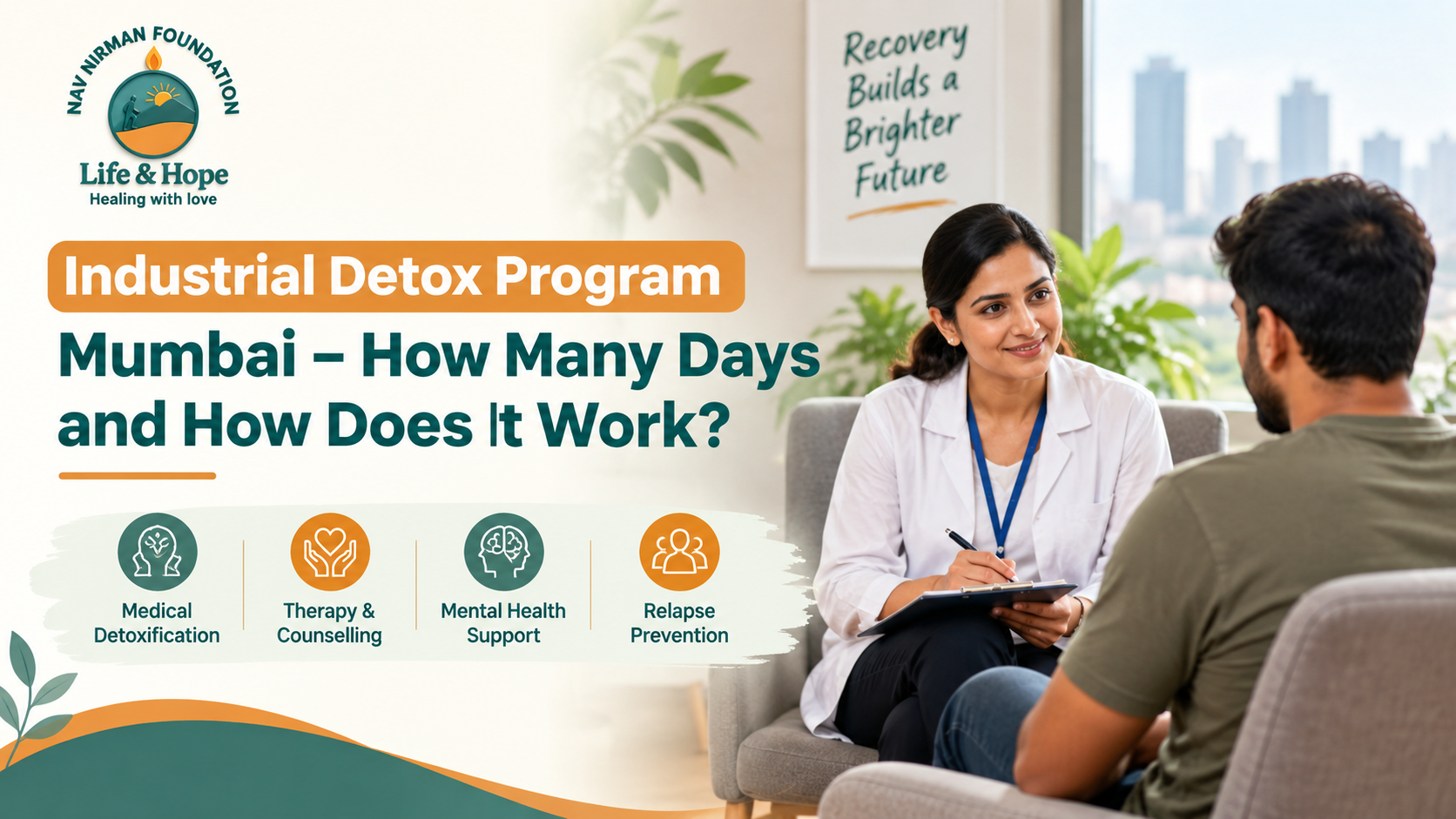
Beginning the road to sobriety often starts with one critical question: how long does detox actually take, and what happens during those days? If you or someone close to you is considering a Detox Program Mumbai facility for alcohol or drug dependency, understanding the timeline and medical process can ease anxiety and set realistic expectations.
Detoxification is the first clinical phase of addiction recovery. It is not a cure, but a medically guided process that clears substances from the body while managing the physical and psychological reactions that follow. For most people in Mumbai seeking help, this phase lasts between 7 and 14 days, though the exact duration depends on the substance, usage history, overall health, and co-occurring conditions.
This guide walks you through everything you need to know, from the day you check in to the day you transition into rehabilitation. You will understand the stages, symptoms, medical interventions, and why structured rehab centre mumbai support matters so much during this fragile period.
What Is Detox and Why Does It Matter?
What is Detox in simple terms? It is the controlled removal of toxic substances such as alcohol, opioids, benzodiazepines, cocaine, or other drugs from the body. When someone consumes these substances regularly, the brain and nervous system adapt to their presence. Suddenly stopping triggers a biological rebound reaction known as withdrawal.
Attempting to quit cold turkey at home carries serious risks. Severe cases of alcohol withdrawal can cause seizures, hallucinations, cardiac complications, and a dangerous condition called delirium tremens. Opioid withdrawal, while rarely fatal, produces intense discomfort that often sends people back to using within hours.
A clinical Detoxification Treatment program removes these dangers through medical supervision, prescribed medication, hydration therapy, nutritional support, and 24-hour monitoring. The goal is simple: get the body stable, keep the patient safe, and prepare them mentally for the therapeutic work that follows.
Mumbai, as a major metropolitan hub covering areas from Andheri and Bandra to Thane and Navi Mumbai, has become a growing centre for structured addiction care. Families across Maharashtra increasingly seek professional detox services rather than risk unsupervised withdrawal attempts at home.
How Many Days Does a Detox Program Usually Take?
The length of a Detoxification Treatment in Mumbai varies based on several clinical factors. Here is a breakdown of typical durations by substance type:
Alcohol Detox: 7 to 10 Days
Alcohol dependency produces one of the most medically complex withdrawal profiles. Detoxification Alcohol protocols generally last between seven and ten days, with the most intense symptoms occurring between 24 and 72 hours after the last drink. Benzodiazepines such as diazepam or lorazepam are commonly used under medical direction to prevent seizures and reduce agitation.
Opioid Detox: 7 to 14 Days
Heroin, prescription painkillers, and synthetic opioids require careful tapering using medications such as buprenorphine or methadone. The acute phase lasts around a week, though post-acute symptoms including sleep disturbance and cravings may continue longer.
Benzodiazepine Detox: 14 to 21 Days
Sedative withdrawal needs the longest timeline. Rapid cessation is unsafe, so clinicians use gradual dose reduction over two to three weeks.
Stimulant Detox: 5 to 10 Days
Cocaine, methamphetamine, and similar substances do not usually produce dangerous physical withdrawal, but they trigger significant psychological symptoms including depression, fatigue, and intense cravings that need professional management.
Age, liver function, duration of use, mental health status, and nutritional condition all influence how long any individual stays in Detox Therapy. A 25-year-old with six months of alcohol use will likely stabilize faster than a 55-year-old with two decades of heavy drinking and liver complications.
Stages of a Medically Supervised Detoxification Process
A professional Detoxification Program Mumbai facility follows a structured clinical pathway. The process is not random. Every stage has a defined purpose, protocol, and set of safety checks.
Stage 1: Intake and Assessment (Day 1)
The first few hours involve a thorough medical and psychiatric evaluation. Clinicians check vital signs, review substance use history, run blood tests, assess liver and kidney function, screen for infectious diseases, and identify any co-occurring mental health conditions. This assessment shapes the entire treatment plan.
Stage 2: Stabilization (Days 2 to 5)
This is the most medically intensive phase. Patients receive prescribed Detox Medicine to manage withdrawal symptoms. Nurses monitor blood pressure, heart rate, hydration, and mental state every few hours. Intravenous fluids, vitamin supplementation (particularly thiamine for alcohol users), and anti-nausea medications are standard interventions. For those withdrawing from alcohol specifically, continuous observation is essential to catch complications early.
Stage 3: Transition to Early Recovery (Days 6 to 10)
As acute symptoms subside, patients begin participating in light therapeutic activities. Counsellors introduce basic concepts of relapse prevention, nutrition becomes more structured, and gentle physical activity is encouraged. This stage bridges detox and the longer rehabilitation phase that follows.
Throughout the process, families remain informed through regular updates while maintaining appropriate confidentiality for the patient.
Understanding Withdrawal Symptoms and Medical Management
Detoxing from Alcohol Symptoms can range from mildly uncomfortable to life-threatening. Knowing what to expect helps families prepare emotionally and reduces fear during treatment.
Common Symptoms During Alcohol Withdrawal
Withdrawals from Alcohol typically appear in three waves:
Early symptoms (6 to 24 hours): anxiety, tremors in the hands, sweating, nausea, headache, insomnia, and elevated heart rate.
Peak symptoms (24 to 72 hours): increased blood pressure, confusion, vivid dreams, mood swings, and in moderate cases, mild hallucinations.
Severe symptoms (72+ hours): seizures, delirium tremens, fever, severe disorientation, and cardiovascular stress. These require immediate medical intervention.
Clinical Approach to Treatment of Alcohol Withdrawal
The Treatment of Alcohol Withdrawal follows evidence-based protocols. Benzodiazepines remain the gold standard for preventing seizures and managing autonomic hyperactivity. Supportive medications address nausea, insomnia, and nutritional deficiencies. In our experience, patients who undergo medically guided alcohol withdrawal recover more comfortably and have significantly lower complication rates than those attempting unsupervised cessation.
Drug Detox Protocols
Drug Detox approaches vary by substance. Opioid users benefit from medication-assisted treatment with buprenorphine, while stimulant users rely more on psychological support, sleep regulation, and nutritional recovery. Each protocol is tailored to the specific drug profile and the individual’s clinical picture. For specialized drug addiction treatment in mumbai, integrated medical and therapeutic approaches produce the strongest outcomes.
How to Detox Body from Alcohol Safely
A common question families ask is how to detox body from alcohol without professional help. The honest answer: you should not try. Home detox for anyone with moderate to heavy dependency carries unpredictable risks, and symptom severity cannot be reliably predicted in advance.
That said, if someone has only mild dependency and medical clearance, supportive measures include:
- Hydration with water and electrolyte solutions
- Nutrient-dense meals rich in B vitamins, magnesium, and protein
- Complete abstinence from alcohol during the process
- Regular rest and avoidance of stimulants like caffeine during peak symptoms
- Immediate medical contact if tremors, fever, confusion, or chest pain appear
Even in mild cases, consulting an addiction specialist before starting is strongly advised. Clinical Addiction Treatment Alcohol services provide outpatient options for those who do not require full residential care but still need medical guidance.
What Happens After Detox? The Role of Rehabilitation
Detox alone is not treatment. It stabilizes the body, but addiction has deep psychological, behavioural, and social roots. Without structured rehabilitation afterward, relapse rates climb sharply.
Once stable, patients typically transition into:
Residential rehabilitation: 30 to 90 days of structured therapy, group work, skill-building, and relapse prevention training.
Outpatient programs: flexible schedules allowing patients to continue work or family responsibilities while attending regular therapy sessions.
Dual diagnosis care: for those with co-occurring conditions like depression, anxiety, bipolar disorder, or PTSD. Integrated Dual Diagnosis Treatment Mumbai services address both the addiction and the underlying mental health condition simultaneously.
Aftercare and sober living: continued support groups, follow-up counselling, and community reintegration programs.
Patients who complete only detox without further treatment relapse within weeks in most cases. The real recovery work happens in the months after stabilization.
Who Should Consider a Professional Detox Program?
Not everyone with alcohol or drug use needs residential detox, but certain signs indicate professional help is necessary:
- Daily or near-daily substance use for several months or longer
- Previous attempts to quit that resulted in withdrawal symptoms
- Co-existing medical conditions like liver disease, heart problems, or diabetes
- History of seizures or psychiatric conditions
- Living in an environment where substances are easily accessible
- Previous relapse after short-term abstinence
- Family concerns about safety or escalating use
For women specifically, dedicated female-only facilities offer privacy, safety, and gender-sensitive care. Specialized women rehabilitation centre programs recognize that women often face different pathways into addiction and benefit from tailored therapeutic approaches.
What to Pack and Prepare Before Admission
If you or a loved one is preparing for admission to a Mumbai facility, practical preparation helps the transition. Most centres provide a packing list, but general guidelines include:
- Comfortable, loose-fitting clothing suitable for 2 weeks
- Personal hygiene items without alcohol-based ingredients
- Prescription medications in original packaging with doctor’s notes
- Identity proof and medical records
- Contact information for family or legal representatives
- A journal or reading material (books, non-stimulating content)
Electronics, large sums of cash, valuables, and anything containing alcohol or restricted substances are typically prohibited. Mobile phone access is often limited during the first week to help patients focus on recovery.
The Importance of Mental Health Support During Detox
Physical stabilization is only half the picture. Many people entering Detoxification Therapy carry years of unaddressed emotional pain, trauma, or psychiatric conditions. Depression, anxiety, and intrusive thoughts often surface during detox as the numbing effect of substances fades.
Clinical teams integrate psychiatric evaluation and emotional support from day one. Access to Mental Health Counseling Mumbai specialists during this period helps patients process difficult emotions safely and begin building the coping skills they will need in rehabilitation.
Reading a detailed guide to rehab timelines and costs can also help families budget and plan appropriately before admission.
Cost and Duration Considerations for Mumbai Residents
Pricing for Detox Treatments in Mumbai varies based on facility type, room category, medical complexity, and length of stay. General ranges include:
- Basic shared accommodation detox: ₹30,000 to ₹60,000 for 7 to 10 days
- Private room detox: ₹70,000 to ₹1,50,000 for the same period
- Executive or premium facilities: ₹2,00,000 and above
Insurance coverage for addiction treatment is improving in India, with several providers now including detox and rehabilitation under mental health benefits. Checking your policy before admission can significantly reduce out-of-pocket costs. For families comparing options, this executive recovery and premium rehab guide outlines what higher-tier facilities include.
Why Mumbai Is a Strategic Location for Detox Treatment
Mumbai offers a unique combination of advantages for addiction treatment. The city houses some of India’s most experienced addiction psychiatrists, well-equipped medical facilities, and multidisciplinary teams covering psychiatry, internal medicine, nursing, and counselling. Patients from across Maharashtra, Gujarat, and other states travel to Mumbai specifically for structured programs.
Suburban locations in Thane, Kalyan, and parts of Navi Mumbai offer quieter environments away from the triggers of city life, while central facilities provide easier family visitation and transport access. Nav Nirman Foundation operates with a focus on holistic, medically guided recovery that combines clinical expertise with compassionate care.
Frequently Asked Questions
Q1: How long does alcohol detox take in Mumbai?
Alcohol detox typically takes 7 to 10 days in a supervised facility. The exact duration depends on how long and how heavily you have been drinking, your overall health, and whether you have any co-occurring medical or psychiatric conditions.
Q2: Is detox painful?
Withdrawal can be uncomfortable, but a medically supervised program uses prescribed medications, hydration, and nutritional support to significantly reduce symptoms. Most patients report that supervised detox is far more tolerable than attempting to quit on their own.
Q3: Can I detox at home instead of going to a facility?
Home detox is risky, especially for alcohol and benzodiazepine users, where withdrawal can cause seizures or life-threatening complications. Clinical supervision is strongly recommended for anyone with moderate to severe dependency.
Q4: What happens after I complete detox?
Detox is only the first step. After stabilization, patients transition into rehabilitation, which may include residential therapy, outpatient counselling, group sessions, and relapse prevention training. Long-term recovery depends on this follow-up care.
Q5: Does insurance cover detox treatment in Mumbai?
Many Indian health insurance policies now include addiction treatment under mental health coverage. Policies vary, so check with your insurer directly. Treatment facilities can usually help verify coverage before admission.
Q6: Can family members visit during detox?
Most facilities allow family visits after the acute withdrawal phase, usually from day 5 or 6 onward. During the first few days, limited contact helps patients focus on medical stabilization without external stress.
Q7: What makes a Detoxification Program in Mumbai different from informal attempts?
A structured program provides 24-hour medical monitoring, prescribed medications to manage withdrawal safely, nutritional support, psychiatric assessment, and a smooth transition into rehabilitation. Informal attempts lack these safeguards and have far higher relapse and complication rates.
Taking the First Step Toward Recovery
Addiction recovery begins with one brave decision: asking for help. If you or someone you love is struggling with alcohol or drug dependency, waiting rarely improves the situation. A professionally guided detox provides the safe, structured foundation needed for lasting change.
Our team at Nav Nirman Foundation offers compassionate, medically supervised care tailored to each individual’s needs. Whether you are at the stage of gathering information or ready to begin treatment, you can schedule a confidential consultation with our addiction specialists. Recovery is possible, and the right support can transform the entire process from frightening to hopeful.