
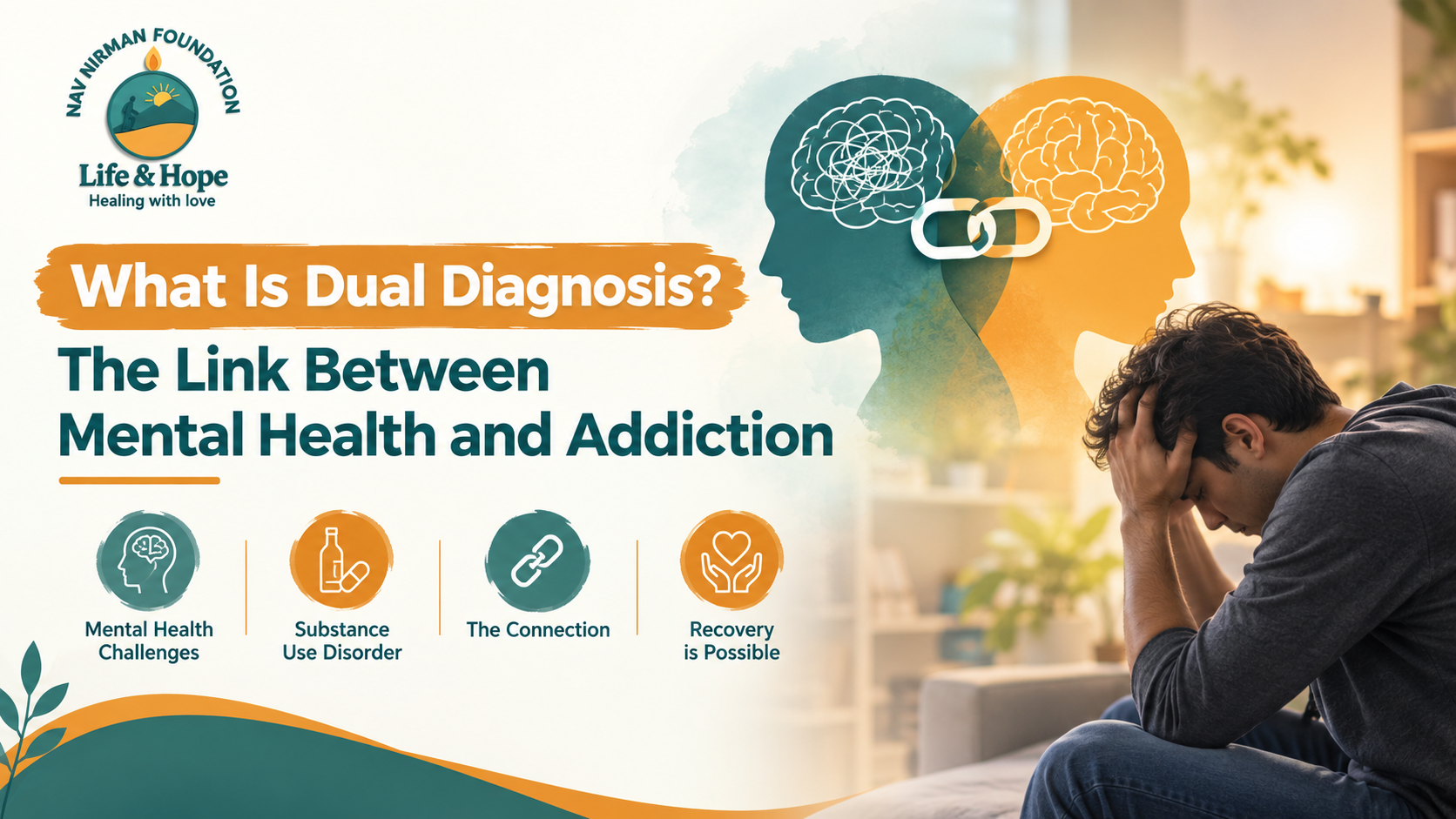
When someone struggles with both a mental health disorder and substance use at the same time, the condition is called dual diagnosis. It is far more common than most people realize, and it carries a stubborn, cyclical pattern that single-focus treatment often fails to break. If you have watched a loved one battle anxiety alongside drinking, or depression alongside drug use, you have likely seen this cycle firsthand.
The reality is uncomfortable but important: nearly half of people living with a serious mental illness will also experience a substance use disorder during their lifetime. The reverse is equally true. These conditions feed each other, deepen each other, and resist treatment when addressed in isolation.
This article unpacks what dual diagnosis actually means, how mental health and addiction interact biologically and emotionally, and why integrated clinical care produces outcomes that fragmented approaches simply cannot match. If you are considering Dual Diagnosis Treatment Mumbai options for yourself or a family member, understanding this condition is the first step toward meaningful recovery.
Defining Dual Diagnosis in Clinical Terms
Dual diagnosis, also referred to as co-occurring disorders or comorbidity, describes the simultaneous presence of a mental health condition and a substance use disorder in the same individual. The term became standard in psychiatric practice during the 1980s when clinicians noticed that patients treated for addiction alone frequently relapsed because their underlying psychiatric conditions remained untreated.
Common pairings include:
- Depression combined with alcohol dependency
- Generalized anxiety alongside benzodiazepine misuse
- Post-traumatic stress disorder (PTSD) with opioid or alcohol use
- Bipolar disorder with cocaine or methamphetamine use
- Schizophrenia combined with cannabis or tobacco dependency
- Attention deficit hyperactivity disorder (ADHD) with stimulant abuse
- Borderline personality disorder with multiple substance use
Each pairing creates its own clinical challenges. A person with depression who drinks heavily, for example, experiences worsening depressive symptoms as alcohol disrupts neurotransmitter balance, while the depression itself makes abstinence feel impossibly difficult. Breaking this loop requires simultaneous attention to both conditions.
The Biological Link Between Mental Illness and Addiction
Why do these conditions appear together so often? Research in neuroscience and psychiatry has identified several overlapping mechanisms that explain the connection.
Shared Brain Chemistry
Both psychiatric disorders and addictive behaviours involve dysregulation in the brain’s reward, mood, and stress systems. Dopamine, serotonin, GABA, and norepinephrine all play roles in mood regulation and in the reinforcing effects of substances. When these neurotransmitter systems malfunction, a person becomes vulnerable to both mental illness and compulsive substance use.
Genetic Predisposition
Family studies consistently show that genes influencing addiction risk overlap substantially with those influencing anxiety, depression, and bipolar disorder. If a parent has struggled with both conditions, their children face elevated risk for the same combination.
Trauma and Early Life Stress
Childhood adversity, neglect, or trauma changes how the developing brain regulates stress and emotion. Adults with high adverse childhood experience scores show markedly higher rates of both psychiatric illness and substance dependency. In our clinical experience, trauma is one of the most consistent underlying factors in dual diagnosis cases.
The Self-Medication Pattern
Many people with untreated mental illness turn to substances to manage symptoms. Alcohol temporarily eases social anxiety. Cannabis quiets intrusive thoughts. Opioids numb emotional pain. Stimulants provide artificial energy against the fatigue of depression. The relief is real but short-lived, and the brain adapts quickly, demanding more of the substance while the underlying condition worsens.
How Addiction Worsens Mental Health Conditions
Even in cases where mental illness came first, addiction accelerates and intensifies psychiatric symptoms. Chronic alcohol use depletes B vitamins essential for brain function, triggering cognitive decline and worsening depression. Stimulant use induces paranoia and psychosis that can persist long after substance use stops. Benzodiazepine dependency causes rebound anxiety far more severe than the original condition.
The reverse is also true. Untreated psychiatric symptoms sabotage recovery efforts. A person who achieves temporary sobriety but continues to experience untreated panic attacks or depressive episodes is highly likely to relapse. This is why standard addiction care that ignores psychiatric needs produces disappointingly low long-term success rates for this population.
For individuals in Mumbai navigating these overlapping challenges, structured programs available at a reputable rehab centre mumbai address both conditions through coordinated care teams.
Signs and Symptoms of Co-Occurring Disorders
Recognizing dual diagnosis in a loved one can be difficult because symptoms blend together. However, certain patterns suggest co-occurring conditions:
- Mood swings that persist even during periods of sobriety
- Substance use that follows a predictable emotional pattern (drinking after work stress, using drugs after conflict)
- Multiple failed attempts at traditional addiction treatment
- Family history of both psychiatric illness and substance use
- Social withdrawal, sleep disturbances, or appetite changes beyond typical intoxication effects
- Suicidal thoughts or self-harm behaviours during or after substance use
- Difficulty maintaining employment, relationships, or daily routines
If several of these signs are present, a professional psychiatric evaluation is essential. Many patients spend years cycling through treatment programs without ever receiving an accurate dual diagnosis assessment.
Why Integrated Treatment Works Better Than Separate Approaches
Historically, mental health services and addiction services operated as entirely separate systems. A person with depression and alcoholism might get referred to a psychiatrist for one condition and a rehabilitation centre for the other, with neither provider coordinating with the other. This fragmented approach fails because the conditions interact constantly.
Integrated Dual Diagnosis Treatment in Mumbai facilities bring psychiatric, medical, and addiction specialists onto a single clinical team. The patient receives one coordinated treatment plan that addresses both conditions simultaneously, with providers sharing information daily and adjusting interventions based on how the patient responds overall rather than in isolated silos.
Key advantages of integrated care include:
Simultaneous symptom management: Medications for depression or anxiety are prescribed alongside addiction treatment protocols, with careful attention to drug interactions and withdrawal considerations.
Trauma-informed therapy: Therapists trained in both psychiatric care and addiction counselling can address the underlying emotional drivers of substance use without triggering relapse.
Unified relapse prevention: Patients receive skills for managing both psychiatric symptoms and cravings, recognizing that one often triggers the other.
Family involvement: Loved ones receive education about both conditions and learn how to support recovery without reinforcing either illness.
Core Components of a Dual Diagnosis Rehab Program
A well-structured Dual Diagnosis Rehab Mumbai facility typically includes several interconnected components, each designed to address a specific aspect of the recovery process.
Comprehensive Psychiatric Assessment
Treatment begins with a thorough evaluation by a psychiatrist experienced in co-occurring disorders. This assessment identifies the specific psychiatric diagnosis, severity, previous treatment history, medication responses, and current risk factors. Blood work, cognitive testing, and collateral information from family members contribute to a complete clinical picture.
Medically Supervised Stabilization
Before deep therapeutic work can begin, the patient must be physically stable. This often involves medically supervised detoxification followed by careful introduction of psychiatric medications. For people entering a Detox Program Mumbai with underlying mental health conditions, this stabilization phase requires particular care to manage both withdrawal and psychiatric symptoms simultaneously.
Individual Psychotherapy
One-on-one therapy sessions use evidence-based approaches such as cognitive behavioural therapy (CBT), dialectical behaviour therapy (DBT), motivational interviewing, and trauma-focused interventions. The therapist works with the patient to identify triggers, develop coping strategies, process difficult experiences, and build the self-awareness essential for long-term change.
Group Therapy and Peer Support
Group sessions bring together patients facing similar challenges. Hearing others articulate struggles that have felt isolating creates powerful therapeutic connection. Groups also provide a safe environment to practice new communication and relationship skills before applying them outside the facility.
Medication Management
Psychiatric medications play a central role in many dual diagnosis cases. Antidepressants, mood stabilizers, anti-anxiety medications, and antipsychotics may be prescribed depending on the diagnosis. Careful management ensures these medications support recovery without creating new dependency issues. For many patients, Addiction Treatment Alcohol protocols must be adjusted when psychiatric medications are introduced.
Holistic Interventions
Mindfulness training, yoga, art therapy, nutrition counselling, and physical fitness programs support overall wellness. These interventions help regulate the nervous system, improve sleep, and build healthy pleasure sources that reduce reliance on substances.
Specific Dual Diagnosis Pairings and Treatment Approaches
Different psychiatric and substance combinations call for different clinical strategies. Here are some common examples:
Depression and Alcohol Use Disorder
This combination is extremely common. Treatment typically involves safe alcohol detoxification, assessment for antidepressant medication after stabilization, cognitive behavioural therapy to address negative thought patterns, and relapse prevention focused on recognizing depressive triggers for drinking.
Anxiety Disorders and Benzodiazepine Dependency
Patients requiring Dual-Diagnosis Treatment for anxiety combined with sedative dependency need particularly careful medical management. Slow medication tapering combined with non-addictive anxiety treatments and exposure-based therapy produces the best outcomes.
PTSD and Substance Use
Trauma-focused therapies such as EMDR (eye movement desensitization and reprocessing) and trauma-focused CBT are integrated with addiction treatment. Patients learn to process traumatic memories without using substances as a coping mechanism.
Bipolar Disorder and Stimulant Use
Mood stabilizers form the foundation of treatment, combined with structured daily routines, sleep regulation, and therapy focused on recognizing early mood episode warning signs.
Psychotic Disorders and Cannabis Use
Antipsychotic medication is combined with family education, cognitive remediation, and gradual reintegration support. This population particularly benefits from long-term care continuity.
The Role of Family in Dual Diagnosis Recovery
Families play a crucial role in both the development and treatment of co-occurring disorders. Household dynamics, communication patterns, and relational trauma often contribute to both conditions, and lasting recovery requires engaging the family as part of the therapeutic process.
Family education sessions help loved ones understand that neither condition reflects weakness or moral failure. They learn to recognize warning signs, respond to difficult behaviours without enabling or shaming, and manage their own emotional needs during the recovery process. For families seeking additional context, this cost and timeline guide for Mumbai rehab outlines what to expect financially and practically.
Treatment Duration and Expected Outcomes
Dual Diagnosis Treatment Programs Mumbai typically run longer than standard addiction programs because two conditions require simultaneous attention. Typical timelines include:
- Residential treatment: 60 to 120 days
- Partial hospitalization: 4 to 12 weeks
- Intensive outpatient: 3 to 6 months
- Ongoing outpatient care: 12 months or longer
Recovery outcomes for integrated Dual Diagnosis Addiction Treatment are significantly better than fragmented approaches. Research shows that patients receiving coordinated care are more likely to maintain long-term sobriety, experience fewer psychiatric hospitalizations, achieve stable employment, and report higher quality of life measures.
Realistic expectations are important. Dual diagnosis is a chronic condition requiring long-term management rather than a one-time cure. Many patients experience setbacks during recovery, and these should be understood as part of the process rather than evidence of failure.
Choosing the Right Treatment Facility in Mumbai
Not every rehabilitation centre is equipped to handle co-occurring disorders. When evaluating Dual Diagnosis Treatment Centers Mumbai options, families should consider:
Clinical team composition: Does the facility employ psychiatrists, psychologists, and addiction specialists on staff rather than only visiting consultants?
Treatment integration: Are mental health and addiction services delivered through a single coordinated plan, or are they treated separately?
Medication capability: Can the facility safely manage psychiatric medications alongside addiction treatment protocols?
Aftercare planning: What ongoing support is provided after the residential phase ends?
Specialized tracks: Does the facility offer specific programs for conditions like trauma, personality disorders, or severe mental illness?
For those seeking higher-tier environments, this guide to executive and higher-tier rehab options near Mumbai outlines what distinguishes advanced facilities from basic programs.
Addressing Stigma and Barriers to Treatment
One of the biggest obstacles to Dual Diagnosis Program Mumbai access is stigma. Many families delay seeking help because of shame about either mental illness or addiction, often both. Social attitudes in India, while improving, can still cast judgment on people struggling with these conditions.
Breaking this barrier starts with understanding that dual diagnosis is a medical condition rooted in biology, environment, and life experience. It is not a character flaw, a lack of willpower, or a punishment for past mistakes. Treatment works, and seeking help is a sign of strength rather than weakness.
Confidentiality in treatment is strictly protected. Facilities understand the sensitivity of these conditions and maintain patient privacy throughout the treatment process. For professionals, students, and public figures, this discretion is particularly important.
Dual Diagnosis Care for Women and Specific Populations
Women experiencing co-occurring disorders often have distinct clinical profiles. Higher rates of trauma, hormonal influences on mood and substance response, and family caregiving responsibilities all shape treatment needs. Dedicated women rehabilitation centre programs offer female-only therapeutic environments with specialized trauma care and parenting support where relevant.
Specialized programs also exist for adolescents, elderly patients, LGBTQ+ individuals, and professionals in high-stress occupations. Matching the patient to the right subpopulation program improves comfort, engagement, and clinical outcomes.
Mental Health Counselling as an Ongoing Pillar
Even after completing residential treatment, ongoing psychological support is essential. Many patients benefit from continued Mental Health Counseling Mumbai sessions during the first year of recovery and often longer. Monthly psychiatric follow-ups ensure medication effectiveness, while weekly or biweekly therapy sessions maintain emotional stability and support continued personal growth.
Peer support groups, both general recovery meetings and dual diagnosis specific groups, provide community and accountability during this phase. The combination of professional care and peer connection creates a strong foundation for sustained wellness.
Frequently Asked Questions
Q1: Can dual diagnosis be fully cured?
Dual diagnosis is typically managed rather than cured, similar to conditions like diabetes or hypertension. With integrated treatment, most patients achieve long-term stability where both conditions are well-controlled and quality of life improves significantly. Ongoing care and lifestyle support help maintain these gains.
Q2: Should I treat the mental health condition or the addiction first?
Neither should be treated first. Current clinical standards strongly favour simultaneous integrated treatment because the conditions interact constantly. Addressing only one while the other remains untreated typically leads to relapse of both.
Q3: How is dual diagnosis different from regular addiction treatment?
Standard addiction treatment focuses primarily on substance use. Dual diagnosis treatment adds psychiatric assessment, medication management for mental health conditions, specialized therapy for trauma or mood disorders, and coordinated care between psychiatric and addiction specialists.
Q4: What causes dual diagnosis?
There is no single cause. Genetic predisposition, childhood trauma, chronic stress, brain chemistry imbalances, and self-medication patterns all contribute. Most cases involve a combination of these factors rather than any single trigger.
Q5: Can medications used in dual diagnosis treatment become addictive?
Most psychiatric medications used in modern dual diagnosis care, including antidepressants, mood stabilizers, and antipsychotics, are not addictive. Benzodiazepines, which can be addictive, are used sparingly and under careful monitoring when necessary.
Q6: Is it safe to drink socially after dual diagnosis treatment?
For most people with dual diagnosis involving alcohol, complete abstinence is strongly recommended. Even small amounts of alcohol can trigger relapse of the underlying mental health condition and reactivate addictive patterns.
Q7: How much does Dual Diagnosis Rehab in Mumbai typically cost?
Costs vary based on facility type, treatment duration, and room category. Residential programs typically range from ₹1,00,000 to ₹5,00,000 for 60 to 90 day stays, with higher-tier facilities charging more. Many insurance policies now cover portions of this treatment.
Taking the Next Step Toward Integrated Recovery
Living with co-occurring mental health and substance use conditions is exhausting, isolating, and often terrifying. The good news is that effective treatment exists, and recovery is possible even for those who have struggled for years. The key is finding care that addresses both conditions together rather than treating them as separate problems.
Our team at Nav Nirman Foundation specializes in integrated dual diagnosis care, combining psychiatric expertise with addiction treatment under one coordinated clinical approach. If you recognize these patterns in yourself or a loved one, you can talk to our addiction treatment experts for a confidential conversation about treatment options. Healing is possible, and the right support can address both conditions at their roots.