
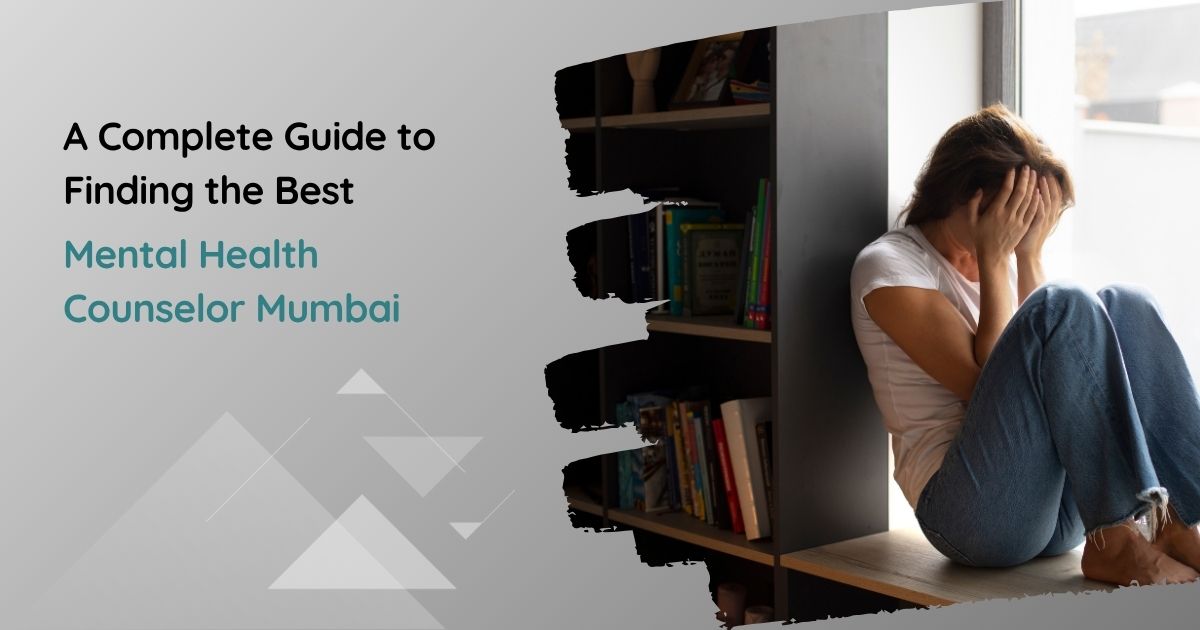
It’s Time to Stop Calling It “Just Stress”
Mumbai doesn’t slow down for anyone. The city demands constant performance, whether you’re managing a demanding career in Bandra, raising children in Thane, or navigating the pressures of starting over in a new part of the city. For millions of people, the daily grind quietly crosses a line from manageable to overwhelming.
Anxiety, burnout, relationship breakdowns, grief, and persistent low moods are not signs of weakness. They are signals from a system under strain. And they deserve the same attention you’d give a fractured bone or a persistent fever.
Mental Health Counseling Mumbai is no longer a niche conversation. It is an increasingly essential part of how people in this city maintain their well-being. If you’ve been sitting with something difficult and wondering whether it’s “serious enough” to seek help, this guide will give you the clarity to take that step. Start with understanding what structured Mental Health Counseling actually involves and how it can change the trajectory of your daily life.
What Is Mental Health Counseling? More Than Just Talking
There’s a common misconception that therapy is simply a paid conversation, something you could replicate by venting to a trusted friend. That comparison misses the point entirely.
Mental health counselling is a structured clinical process. A trained professional uses evidence-based frameworks to help you identify patterns in your thinking, behavior, and emotional responses that are causing distress or dysfunction. It involves assessment, diagnosis where relevant, goal-setting, and a measurable progression through treatment.
Who genuinely benefits from it?
- People experiencing prolonged anxiety or panic attacks
- Those dealing with depression, grief, or emotional numbness
- Individuals navigating divorce, job loss, or major life transitions
- People struggling with low self-worth, people-pleasing, or boundaries
- Anyone who feels stuck and can’t identify why
Professional Psychotherapy Services differ from casual support in one critical way: they create a consistent, confidential space where real clinical tools are applied to real problems. The outcomes are trackable, and the process is built around your specific needs rather than general advice.
For a deeper picture of holistic mental and addiction care under one roof, the programs offered at our Rehab centre mumbai reflect how integrated support works in practice.
The Role of a Professional Mental Health Therapist in Mumbai
Not all support is equal. A friend can listen, validate, and care. But a qualified Therapist Mumbai brings something qualitatively different: clinical training, supervised practice, and structured methodologies that produce consistent results.
Common therapeutic approaches used by qualified therapists include:
- Cognitive Behavioral Therapy (CBT): Identifies and restructures negative thought patterns that drive anxiety, depression, or self-destructive behaviour
- Trauma-Informed Therapy: Addresses the long-term impact of past experiences on present functioning
- Motivational Interviewing: Helps individuals clarify their own values and build internal motivation for change
- Group Therapy: Reduces isolation and builds peer accountability in a facilitated setting
- Mindfulness-Based Therapy: Uses present-moment awareness to interrupt cycles of rumination and reactivity
The difference between a Counsellor Mumbai with proper credentials and someone without clinical training is not just technical. It is the difference between surface-level conversation and genuine, lasting change. Credentials, supervision hours, and specialisation matter when your mental health is on the line.
When Mental Health and Addiction Intersect
One of the most underrecognized patterns in mental health treatment is the frequency with which psychological distress and substance use appear together. Depression drives drinking. Anxiety fuels dependency. Trauma that goes untreated often finds an outlet in substances.
This overlap is called dual diagnosis, and it requires a treatment approach that handles both conditions simultaneously rather than in sequence. Treating addiction without addressing the underlying mental health condition leaves a significant gap that almost always leads to relapse.
The Dual Diagnosis Treatment Mumbai program is built precisely for this reality. It integrates psychiatric care, therapy, and addiction treatment into a single coordinated plan.
For individuals whose dependency involves alcohol, structured Addiction Treatment Alcohol programs run parallel to mental health care. Similarly, those managing substance-related dependency benefit from coordinated Drug Addiction Treatment in Mumbai that treats the psychological roots alongside the physical dependency.
Specialized Counseling for Diverse Needs
Mental Health Support Tailored to Who You Are
Effective therapy is never generic. Age, gender, cultural background, and life circumstances all shape how a person experiences distress and what kind of support actually helps.
Women’s mental health presents its own particular landscape. Social expectations, caregiving responsibilities, hormonal factors, and higher rates of certain trauma types mean that women often need a space that understands these realities without minimising them. A dedicated Women rehabilitation centre program offers exactly that: gender-sensitive care in a safe, non-judgmental environment.
The connection between physical detox and mental clarity is also clinically significant. When the body is carrying the load of substance toxicity, emotional regulation and cognitive functioning are both compromised. A structured Detox Program Mumbai clears that physiological interference, creating the neurological conditions in which therapy can actually work.
How to Choose the Best Mental Health Counselor Mumbai
With more Therapists Mumbai available than ever before, both in-person and online, knowing how to evaluate your options is genuinely useful.
Here’s what to look for:
- Qualifications and registration: Is the therapist trained in a recognised modality and registered with a professional body? Degrees in psychology, psychiatry, or counselling from accredited institutions are baseline requirements.
- Specialisation: Does their area of expertise match your concern? A therapist who works primarily with trauma may not be the right fit for someone dealing with addiction-driven anxiety.
- Approach transparency: A good therapist will explain their method clearly before you begin. If the process is vague or pressure-based, that’s a red flag.
- Comfort and fit: Therapeutic alliance, meaning the quality of the relationship between you and your therapist, is one of the strongest predictors of positive outcomes. If you don’t feel safe or heard after a few sessions, it’s appropriate to seek someone else.
- Confidentiality practices: Your sessions should be protected. Ask directly about how your information is stored and shared.
Mental Health Counseling is most effective when you feel genuinely respected in the process. Take time to evaluate your options rather than defaulting to whoever is available first.
Navnirman Foundation: A Sanctuary for the Mind
Most clinical settings treat mental health in a vacuum: four walls, fluorescent light, a 45-minute slot. Navnirman Foundation takes a different view.
Set across a 2.5-acre green campus, the environment itself is part of the therapeutic experience. Natural surroundings, open spaces, and a calm atmosphere reduce the ambient stress that clinical environments can sometimes amplify. The setting supports the kind of inner stillness that makes honest self-reflection possible.
The team includes certified psychiatrists, psychologists, and counsellors who bring both technical expertise and genuine investment in each person’s recovery. No two treatment plans are identical because no two people arrive with the same history.
Mental Health Counseling Mumbai delivered in this environment is not just clinically rigorous. It is also humane, unhurried, and built around you as a whole person rather than a set of symptoms.
For those curious about the broader relationship between mental health and physical recovery, reading about what drug detoxification therapy involves offers useful context on how body and mind recovery connect.
Your First Session: What to Expect
Walking into your first counselling session without knowing what to expect is one of the main reasons people put it off. Here’s a straightforward breakdown.
Assessment: The therapist will ask about your current concerns, personal history, sleep patterns, relationships, and any substances or medications involved. This is not an interrogation. It is a structured way of building a complete picture so that treatment is relevant to your life.
Goal setting: Together, you’ll identify what you actually want to change. Vague goals like “feel better” are refined into specific, workable targets: manage panic attacks without avoidance, sleep through the night, set boundaries without guilt.
Ongoing support: Sessions typically occur weekly or fortnightly. Progress is reviewed regularly. The plan adjusts as you move forward. Therapy is not a fixed script. It evolves as you do.
Throughout the process, everything you share stays within the therapeutic relationship. Confidentiality is not just a professional standard. It is the condition that makes honest conversation possible.
Conclusion: Choosing Yourself Is the Bravest Thing You Can Do
Seeking professional mental health support is not a last resort. It is a proactive, intelligent decision made by people who take their own well-being seriously. The stigma around therapy in Indian cities is shifting, and the people leading that shift are those who stopped waiting until things fell completely apart.
You don’t have to be in crisis to deserve support. You just have to be human.
Navnirman Foundation is ready to help you build that support with clinical expertise, genuine care, and a setting designed for real recovery. Speak to an Expert Today and take the first step toward a steadier, clearer version of your life.